Understanding false information - and what we can do
We partnered with BBC Monitoring to understand how it spreads and where trust is breaking down
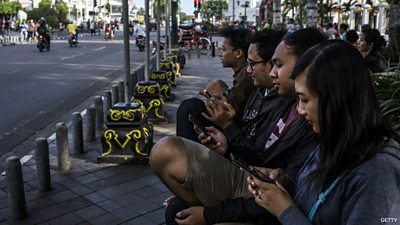
False and misleading information can spread faster than facts – and once it does, it can shape opinions, fuel mistrust, and cause real harm. From election periods to public health crises, the way people find, share, and interpret information has changed dramatically. Social media, messaging apps, and 24/7 news cycles mean rumours and false claims can travel widely, at a speed and scale not seen before.
BBC Media Action is working to understand how misinformation actually manifests in people’s everyday lives. Our Integrity Initiative, developed in partnership with BBC Monitoring, brings together evidence on who is spreading false narratives, how audiences encounter them, and how people make sense of, or push back against, what they see and hear in their everyday lives.
The initiative focuses on helping societies better understand and respond to misleading information by:
- Building stronger, shared evidence on how false narratives spread and take hold, across different countries and contexts
- Strengthening individual and collective resilience, so people are better equipped to question, verify, and navigate the information around them
- Supporting more co-ordinated responses to disinformation from donors, the media sector, civil society and local populations
While mis- and disinformation is a global challenge, its forms and impacts are shaped by national media systems, digital access, and political contexts. The Integrity approach is applied to a country context to provide insight on each distinct information ecosystem, generating evidence grounded in audience experience.
Building on these research insights, through the Integrity Initiative, we will work with partners to design and pilot and develop audience-centred content and formats that address identified disinformation threats, and translate evidence into practical responses. The needs of different audiences identified in the research will be met by different communication approaches, including edutainment programming, radio and digital discussions, narrative-led storytelling, and more. The initiative will generate learning on how different types of programming supports audience resilience to disinformation, to inform future interventions.
Read our research

Our research approach
Our research centres on audiences and information environments. Through a unique mix of data sources and analyses, we build a detailed picture of today’s information environments – and how people cope with confusion, uncertainty, and overload.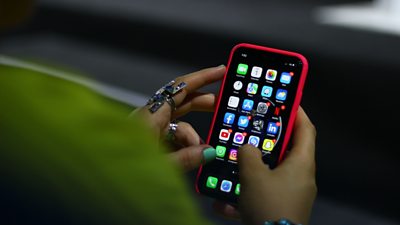
A critical look at disinformation in Indonesia
Indonesia’s fast-evolving media landscape has created new challenges for public trust. Traditional news outlets now compete with influencers and citizen journalists, blurring the lines between credible information and opinion across issues such as politics, health, the environment, and interfaith relations. Our research combines social media analysis, broadcast monitoring, surveys, and interviews to understand this shifting landscape.
Understanding mis- and disinformation in Nepal
In Nepal, the rise in internet access and social media use has been closely linked to the spread of misleading information, including coordinated campaigns, online abuse and harassment. Ahead of planned 2027 elections, our research examined key false narratives in circulation, who is driving them, and how audiences engage with what they encounter - on- and offline.

Search by Tag:
- Tagged with ResearchResearch
- Tagged with Research briefingResearch briefing
- Tagged with NepalNepal
- Tagged with IndonesiaIndonesia
- Tagged with Information disorderInformation disorder
