Autumn is upon us...
The leaves are turning from green to red, many birds are migrating south and the days are getting shorter.
Autumn is here once again, and with it comes an opportunity for wildlife to prepare for hibernation. But before the hedgehogs make a cosy shelter in the compost bins and the frogs huddle themselves into log piles, there are still plenty of things you can do to make a difference.
BBC Bitesize looks at some of the ways you can help protect wildlife during the months of hibernation.
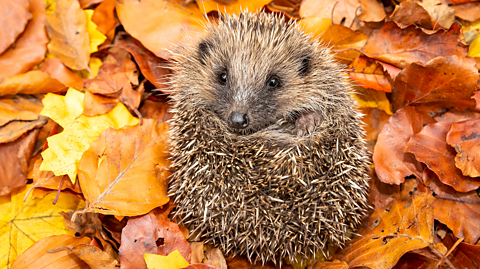
What is hibernation?
Simply put, hibernation is a process that some animals go through in winter to survive harsh conditions, when it is cold, dark and difficult to find food or water.
Animals such as bats, butterflies, frogs and other amphibians all hibernate when the temperature drops. To prepare for this, they eat as much as they can and find a safe spot to rest in until spring.
It’s important to remember that hibernation is not the same as sleeping. Animals in hibernation will experience reduced heart rates, breathing and body temperature in order to survive using less energy.
1. Hedgehog highways
According to Hedgehog Street, a UK-based conservation initiative, hedgehogs travel an average of one mile every night through our parks and gardens in search of food and a mate. Hedgehog highways are one of the ways we can help them along the way.
Fay Vass, chief executive of the British Hedgehog Preservation Society, told BBC Bitesize: “Hedgehog highways are really important, they are simply a 13cm x 13cm square gap in the bottom of (or under) fences or walls to ensure hedgehogs can get through and access vital habitat."
If this sounds like something you’d like to do, make sure you have permission and help from a trusted adult first. Fay suggests you could create a ‘hedgehogs this way’ sign while an adult makes the actual hole.
Making a hole in a fence or wall that you own will help the hedgehogs move more safely without the need to use potentially dangerous roads. It will also help them access foraging spaces for food, water and shelter.
It's also helpful to supplement a hedgehog's diet with things like meaty cat or dog food, as well as a bowl of fresh water. Be sure to never leave milk out for them, as this could prove lethal.
Hedgehogs typically hibernate for the winter from October or November until March or April. They are one of only three common mammals to hibernate in the UK, along with dormice and bats.
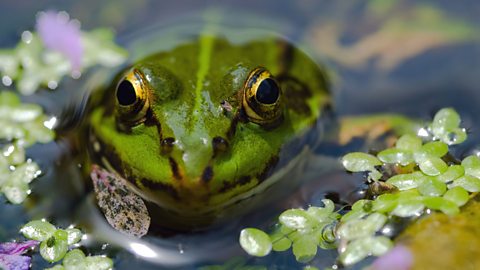
2. Wildlife ponds
If you, or anyone you know, has a pond, it’s worth regularly inspecting it throughout winter to ensure no frogs are trapped below the ice. You can usually tell if frogs have chosen your pond by detecting any shadows or movement beneath the surface.
According to the RSPCA, toxic gases can build up in frozen ponds, which are capable of killing fish or frogs that may be hiding at the bottom. Breaking a hole in the ice will help increase the oxygen levels that amphibians need to survive the winter.
To prevent the pond from icing over in the first place, you can place a floating object, such as a tennis ball, on the pond surface.
If you don't have a pond, you could create your own DIY pond using a repurposed container or recycling box. To make your DIY pond more wildlife-friendly, you can try stacking stones or logs inside and filling it with rainwater. This can help attract both amphibians and insects during the hibernation period.
3. Leaf and wood piles
Looking for an environmentally-friendly excuse not to tidy up the garden?
If you have piles of leaves and logs in your garden, compost bin or behind the shed from October onwards, it’s best to avoid any autumn or winter clean-ups. These spaces are likely hibernation spots for wildlife, such as hedgehogs or toads.
Remember to check any wood or leaf piles carefully for wild animals, such as hedgehogs, frogs and mice, which might have chosen your garden as their cosy haven.
If you do happen to find any, do not disturb them, but cover them back over and leave them alone to hibernate safely, asinterrupting a hibernating animal could be fatal.
For bonus points, you can leave a ready supply of food and continue offering it, such as meaty cat or dog food, throughout the winter months, when they are occasionally on the move.
4. Bug hotels
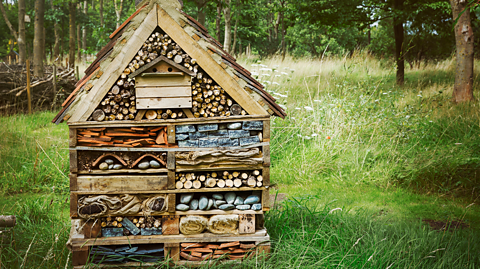
Feeling crafty? A bug hotel can be a great way to help insects, such as ladybirds and bees, looking for hibernation shelters this autumn. Not only that, but it can also make a fun upcycling project!
Colin Brown is a gardener and bug hotel maker at the University of Exeter’s Green Flag Award-winning grounds and gardens. He told us that the easiest way to construct a bug hotel is to carefully pile pallets on a level ground surface. Pallets can be heavy, so ask a trusted adult to help before you start. You can then fill the pallet gaps with materials such as dead wood, loose bark and dry leaves.
Creating an insect-friendly garden is important for many reasons. Not only do they provide food for birds, but they also help gardens to thrive by eating pests that damage greenery and helping pollination processes.
Five-star insect accommodation in your own garden? Now that’s what we're talking about.
This article was published in November 2022 and updated in August 2026.
