A vital part of raising a little one is helping them build their self-confidence and independence.
Think of all the ways you grew in resilience and confidence as a child – like going to school for the first time or learning to read independently.
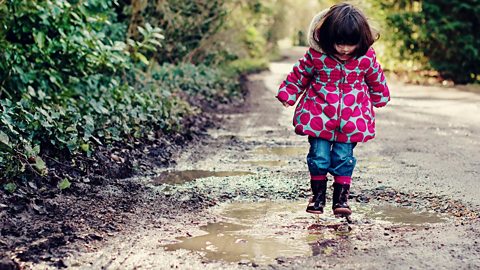
Nature provides an excellent environment to develop confidence and gently explore exciting new things.
Inspired by the brand new CBeebies programme ‘What’s in Your Plant Pot?’, here are some ways you can spend time outside with your little ones to help build self-esteem and confidence together…
Learning through hands-on experience
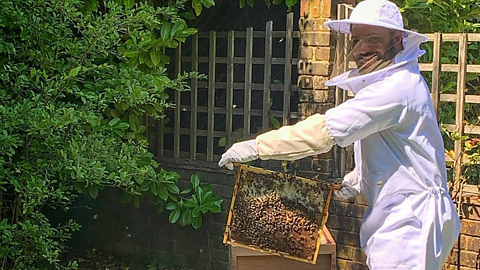
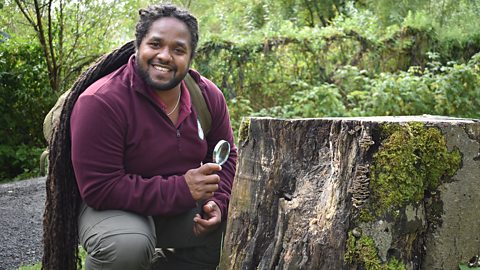
An up-close experience like getting hands-on with animals will give your child an educational boost and help their confidence.
Observing, touching and engaging with creepy crawlies and bugs will not only teach children useful and fascinating things about the natural world, but help them explore things they might initially find challenging, scary, or unpleasant.
It's worth reminding them of the limits to exploring nature – including not putting things in their mouth, that some animals bite and some plants sting, and to always be gentle when handling living things.
If you’re visiting somewhere like a community garden, wildlife park or farm, you can learn all sorts of things from staff and volunteers, like how to get up-close with wildlife safely.
Try:
Tasting and smelling different herbs grown in a pot and noticing the difference between them. Rub the herbs between your thumb and index finger to strengthen the smell.
Finding and carefully observing worms from the garden, watching the way they move, and discussing what they do.
Counting the number of legs on different insects found in the garden. You could count on your fingers as you say the numbers.
Help them safely push boundaries
Boundaries keep children safe. But in a controlled environment, testing them together can be healthy, as it could help to develop their confidence.
Nature is full of things to explore, as well as things that can feel scary and unfamiliar. Showing children interesting and exciting things by example helps them understand boundaries better. It's also positive to share with your child when an experience is outside of your own comfort zone.
With a greater understanding of exploration in one area, children can learn how to safely push boundaries in other areas of their life with greater confidence, including making friends and trying new things.
Encourage questions
Pre-schoolers ask more than 100 questions an hour as their brains develop and they want to learn more about their surroundings.
Giving answers to their “why?” questions helps children to feel safe and secure, and their confidence grows through your continued validation.
When asked a “why?” question, try the response, “why do you think?” As well as narrowing down what they want to know, it can help them think more deeply and help you to find out their current understanding level.
On top of this, you can show your child that nobody knows everything. Try saying “I don’t know, let’s find out together.”
The mysteries of nature are perfect for encouraging their curious minds and finding out answers together.
Here are some questions you could ask:
- Where do you think this animal / insect / bird lives?
- How do you think this animal moves? Does it climb trees or stay close to the ground?
- How big do you think this plant grows? As big as a mug, as big as a chair, or as big as a tree?
- How many colours can you see on the plant? Does it have flowers?
Can you tell me two colours on that bird's feathers?
Use community groups
Community groups and volunteering are a fantastic way to help grow your little one's confidence. By meeting new people of all ages, your child can gain social confidence.
What’s more, these new friends will teach them things too.
They might have expertise in bird-watching and share their equipment, or could share stories from one age-group to another.
Community gardens and 'friends of' groups often offer free outdoor activities, including days for tidying up and weeding, willow weaving, and planting spring bulbs.
These allow children to get their hands dirty, find out more about wildlife and meet new friends.
These groups often have an overall positive impact on the local area too – for example, by offering litter picking. Done together with children, this can encourage pride in their local area and to give back to the world around them.