Fostering can make a real difference to children's lives - and also to the lives of their foster carers.
The term 'fostering' means an arrangement to provide a temporary or long-term safe family environment for children who, for whatever reason, cannot live with their birth parents.
We spoke to two experienced foster parents, Jamila and Jane, from Foster Care Associates and National Fostering Group, to find out about the rewards and challenges of caring for children under five.
You can also check out our article on what you need to know about foster care for under-fives.

Jamila
Jamila looks after children aged under five in long-term, short-term and in respite (temporary care) foster placements. She has been a foster parent for six years.
Jamila says: "I have a professional background in education, and I have my own children, so I’ve always loved caring."
Jamila's sister has been a foster carer too.
“I was inspired to start fostering after seeing my sister’s experience, and the impact it had on both her and the children she cared for."
"Fostering felt like something I really wanted to do, so I saved up to move into a larger home with more space and I’ve been fostering ever since.”
“They become a part of your family.”
Training and support
Jamila states the importance of training and support, which she received from a fostering service.
“Training, assessments and ongoing learning are all part of the process, particularly around understanding trauma and behaviour. The support you get is amazing."
"Even though I had a lot of that information from my career already, it was great to have the resources available.”
“Fostering is not just a nine to five, it does impact your life,” she explains.
“The children aren’t just placed in your home, they become a part of your family. They’re involved in social events, trips and celebrations if they want to be."
"Sometimes this can be hard for them, so it’s about having conversations and making sure they are comfortable around your family too.”
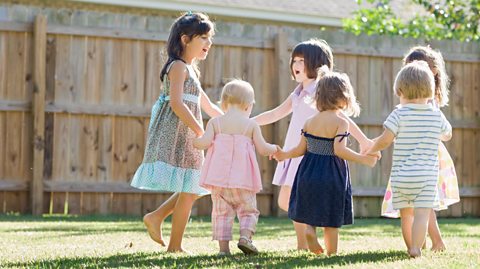
Despite the challenges, Jamila finds the whole journey very rewarding.
“Some children have come from really difficult home lives and some have been in foster care for a long time so it can be challenging. But eventually, they learn to build trust and feel safe with you."
"It’s so rewarding to see their confidence bloom and they really grow into themselves. Milestones like eating well, expressing their needs, walking, these are all part of the journey and it’s incredible to witness.”
Jamila encourages people who are interested to seek out more information about fostering.
“My brother also became a foster parent and our mum and dad love being extra grandparents to these wonderful children. We’ve become a fostering family! I couldn’t recommend it enough.”
"It's so rewarding to see their confidence bloom."

Jane
Jane has three foster children under the age of five. She became a foster parent after raising her own children who are now adults.
She says, “It’s very hands-on. Potty training,sleep routines, and nursery transitions are all part of daily life when fostering under-fives, but I absolutely love it.”
She adds that everyday activities often support active learning and confidence-building.
“They enjoy routines, gardening, and helping with household tasks like emptying the dishwasher."
"They’ve also become really confident in swimming, gymnastics and cycling.”
“It’s very hands on, but I absolutely love it.”
Responsibilities
Jane also emphasises the wider responsibilities that come with fostering.
“One of the more emotionally complex aspects of fostering can be managing how children respond after contact or visits with their birth families. It can be challenging to navigate, particularly if they are emotional when they return,” explains Jane.
“I didn’t realise how much training, support and assistance was available before I started fostering."
"The administrative side of fostering can feel like a lot of paperwork and meetings but ultimately, this is an important part of safeguarding the children.”
Overall, Jane describes fostering as something that has become completely integrated into her home and family life.
“My family love the children, my youngest daughter is at university and would rather video-call the babies than me!"
"If you’re ready, it’s one of the most worthwhile things you can do."
"It’s a wonderful journey and can help change young lives, as well as your own.”
"It's one of the most worthwhile things you can do."
For more information on caring including fostering, adoption and kinship care, check out our BBC Caring Matters collection.