Getting outside into nature is healthy for people of all ages - it's great for our wellbeing and for a connection to the world around us.
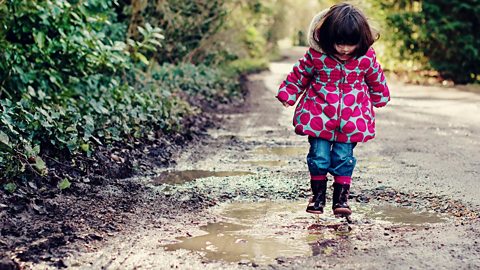
Active play in the great outdoors can provide a whole host of new skills for your little ones, from confidence and independence to making new friends.
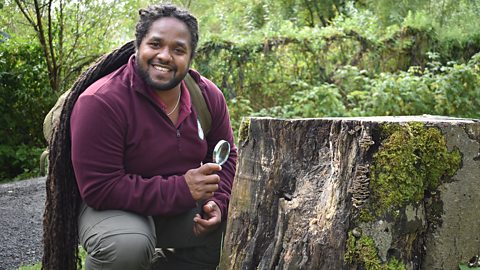
Here are some tips from Katy Spiers, teacher at Redcatch Community Garden in Bristol, to help children learn through nature-focused play.
Get hands-on while you play
Exploring nature and being adventurous with your child can create lots of memorable learning moments.
Planting seeds, digging in soil, and picking flowers all help inspire children to spend more time outside and connect meaningfully with their surroundings.
There are so many opportunities to talk about what you can see around you and share the big and small things you can see in nature.
Focus on communication and building relationships
Playing cooperatively teaches children skills they might use at school and in their wider relationships with others.
When you play alongside them in nature, it gives them the chance to speak and share things they might otherwise keep to themselves.
Not only are they developing their vocabulary, but their emotional maturity at the same time.
Simple games like peek-a-boo, hide and seek and 'I spy' can be played outdoors and with soft toys.
Children understand that hidden objects are still there from around 12 months. These games help develop this sense of 'object permanence'.
When playing, be specific with your praise to encourage positive and curious behaviours.
Children often start engaging in parallel play around the age of two. If you're in a safe outdoor space, like a yard or garden, you can tell them what you're doing and ask about their activities too.
Share how you take care of the plants and the outdoor environment. You might also ask if they'd like your help exploring, such as looking under rocks or logs to discover minibeasts.
Develop a sense of adventure
Curiosity is an important part of development. Getting out into nature and looking at things that are exciting, new – and sometimes even a little scary – does wonders for confidence.
With the comfort of your presence while they explore, your little one can gradually develop positive experiences of trying new things and learning about the world independently.
Exploring the feel, sounds and smells of nature is great for engaging their senses, which is crucial for early learning.