Euthanasia in Spain: Whose life is it anyway?
The fall-out from the death by euthanasia of Noelia Castillo in Spain earlier this year.
In March this year, 25-year-old Noelia Castillo died by lethal injection. Her father had fought in the courts for nearly 2 years to stop her euthanasia, but failed in the attempt. And the debate about who has the right to challenge an adult’s decision to have euthanasia hasn’t gone away. In May, the Supreme Court ruled that those with, ‘a particularly close connection’ to the person wanting to die may have the right to contest an application for euthanasia.
Of the 565 people who died by euthanasia in 2025 in Spain, 73 chose to donate their organs. Noelia Castillo wasn’t an organ donor, but there are claims she was pressured to become one. And now the lawyers who have represented her parents are advocating a ban on organ donation in euthanasia cases.
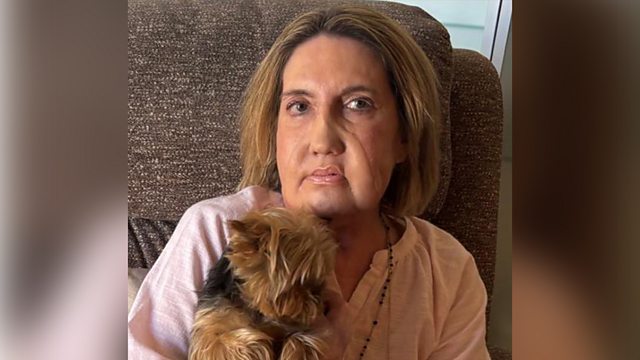
Why does this matter? Spain’s health service supports one of the world’s most successful organ donation programmes. Last year more than 2,500 Spanish people became organ donors after death. And although the number of those who had euthanasia was tiny, the beneficiaries are very real… People like Carme, who was transplanted with a new face. Esperanza Escribano and Linda Pressly explore some of the fall-out from the death of Noelia Castillo.
(Photo: Carme had the first face transplant in the world from a woman who had chosen euthanasia. Credit: family hand-out)
Producers: Esperanza Escribano and Linda Pressly
Sound engineer: Neil Churchill
Production co-ordinator: Gemma Ashman
Editor: Penny Murphy
Last on
More episodes
Broadcasts
- Tue 14 Jul 202601:32GMTBBC World Service
- Tue 14 Jul 202608:32GMTBBC World Service
- Tue 14 Jul 202619:06GMTBBC World Service except East and Southern Africa & West and Central Africa
- Sun 19 Jul 202611:32GMTBBC World Service Australasia
- Sun 19 Jul 202615:06GMTBBC World Service News Internet
- Sun 19 Jul 202621:32GMTBBC World Service except News Internet & West and Central Africa
Download this programme

Subscribe to this programme or download individual episodes
