Is the ceasefire in the Gulf too late to stop food prices rising?
The war in the Gulf is starting to hit global supply chain, with disruption in the Strait of Hormuz pushing up fuel and fertiliser costs.
Although the fragile ceasefire between Iran and the United States still holds, shipping through the Strait of Hormuz remains heavily disrupted, driving up fuel and fertiliser costs and leaving farmers in many parts of the world facing higher prices just as they head into the planting season.
What does that mean for the price of food in your shopping basket? Sam Fenwick hears from Maximo Torero, chief economist at the UN’s Food and Agriculture Organization.
Also, the ceasefire was meant to reopen the Strait of Hormuz, one of the most important shipping routes in the world. What does it mean for the seafarers trapped in the Persian Gulf?
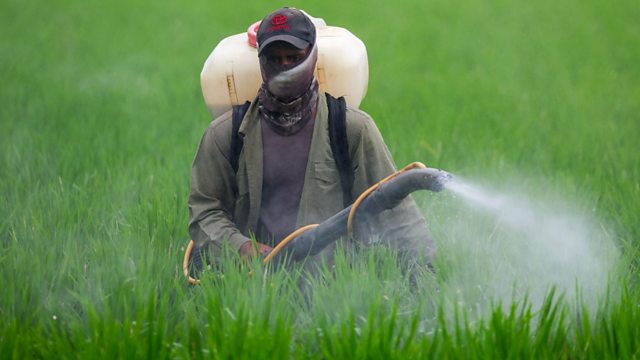
(Photo: A farm worker sprays fertilizer on a paddy field, in Malaysia on 01 Apr 2026. Conflict in the Middle East has driven up energy prices, raising the cost of transport, fertilizers, and food production. Credit: Photo by Fazry Ismail/EPA/Shutterstock)
Last on

Broadcasts
- Thu 9 Apr 202621:32GMTBBC World Service Europe and the Middle East
- Thu 9 Apr 202622:32GMTBBC World Service except Europe and the Middle East
Podcast
![]()
World Business Report
The latest business and finance news from around the world, on the BBC