US-Iran peace negotiation end without agreement
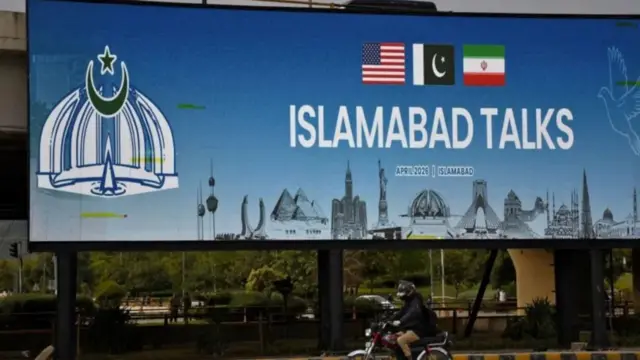
Wia dis foto come from, Reuters
Di US and Iran fail to reach agreement to end dia war despite marathon tok-tok wey finish early mor-mor on Sunday Islamabad, di capital of Pakistan.
Di two kontris blame demsef for di failure to reach any agreement afta dia negotiation meeting wey last for 21 hours .
Di US-Israel Iran war don kill thousands and cause global oil prices to rise since e start over one month ago.
US and Iranian officials start direct trilateral talks wit Pakistan for Islamabad on Saturday.
Officials from both kontris bin meet earlier wit Pakistan Prime Minister Shehbaz Sharif.
Wetin JD Vance tok
Wia dis foto come from, Reuters
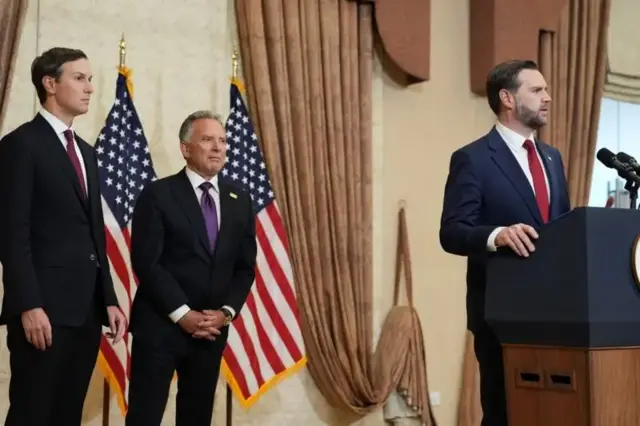
"Di bad news na say we neva reach any agreement, and I think dat one na bad news for Iran much more dan e be for di United States of America," Vice President JD Vance, di head of di US delegation, tell reporters just before e comot for Islamabad.
Vance add say di US come do di tok-tok wit free mind and "in good faith", but it e dey unfortunate say di two sides no fit come to an agreement.
"We leave hia wit very simple proposal, one method of understanding say dis na our final and best offer. We go see if di Iranians go accept am."
Standing behind Vance for di news conference na Trump son-in-law and White House advisor Jared Kushner and US Special Envoy to di Middle East Steve Witkoff, wey make up di US delegation negotiating wit Iran.
Vance share im appreciation to di prime minister of Pakistan and Field Marshal Munir.
"Whatever shortcomings of di negotiation, no be becos of Pakistanis wey do amazing job."
"Di simple fact be say we need to see a positive commitment say dem no go seek nuclear weapon and dem no go seek di tools wey go fit allow dem to quickly achieve a nuclear weapon."
E describe dis as Trump "core goal".
Vance say dem don "destroy" dia nuclear programme but maintain say need dey for "fundamental commitment of will" against Iran to developing a nuclear weapon future.
"We neva see dat one yet. We hope go see am."
'Di discussion hold for atmosphere of mistrust, suspicion and doubt'
Wia dis foto come from, Reuters
Iranian foreign ministry say make di US stop to dey make"excessive demands"
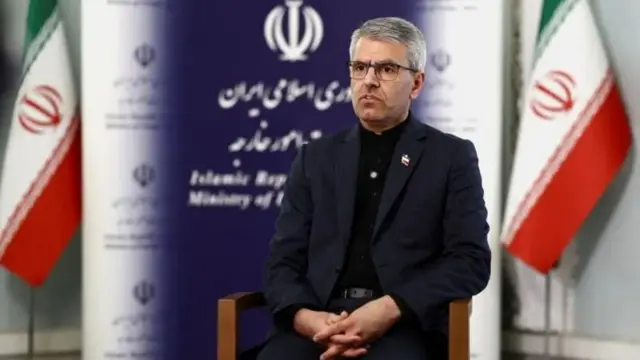
E no ever dey expected say di di US and Iran go reach agreement straight away, tok-tok pesin Esmail Baghaei.
E add say di toks take place inside "atmosphere wey full wit mistrust, suspicion and doubt", afta more dan 40 days of "imposed war" and e no long afta a ceasefire come into force.
Baghaei tell di Iranian state Student News Network: "We for no expect much from di start say we fit reach an agreement in a single session. I no think say anybody bin get such expectations."
Still, e say, "diplomacy no dey end".
Meanwhile, some of di issues wey dem tok about na;
Lebanon
Israel ongoing campaign against Iran Lebanese ally, armed group Hezbollah, don threaten to scata di toks even bifor e start.
"Di continuation of these actions go render negotiations meaningless," Iran President Masoud Pezeshkian post on X.
"Our fingers remain on di trigger. Iran no go ever abandon dia Lebanese sisters and brothers."
Israel Prime Minister Benjamin Netanyahu say "no ceasefire" no dey wen e reach Hezbollah, but Israel repeated warning to residents of Beirut southern suburbs to evacuate neva result in any further action.
US President Donald Trump tok say Israel action now for Lebanon go be "more low key", and di US State Department say direct toks between Israel and Lebanon go hold for Washington next week.
Weda e go dey low key enough to satisfy Iran na wetin pipo go dey watch.
Strait of Hormuz
Wia dis foto come from, Reuters
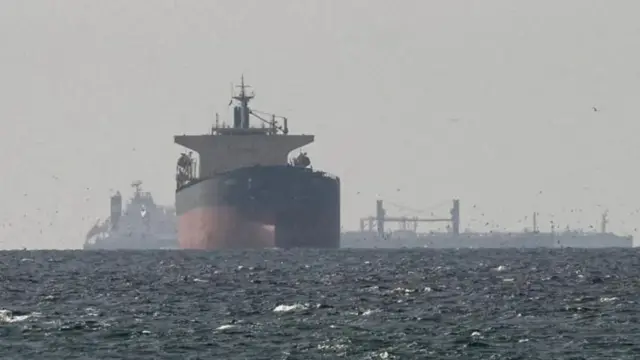
Anoda issue dem go tok about na di crucial oil shipping passage - di Strait of Hormuz.
Trump say Iran dey "do a very poor job" wit di way and manner dem dey allow ships pass through di strait.
"Dis no be di agreement we get!" e tok for one Truth Social post, wia e accuse Iran say dem dey "dishonourable".
Very few vessels dey pass through, with hundreds of ships plus an estimated 20,000 seafarers still trapped inside di Gulf.
Afta dem don achieve dia chokehold on dis vital waterway, Iran dey determined to formalise am, as dem call am sovereign Iranian water and dey tok about new set of rules to govern wetin fit pass and wetin no fit pass through.
On Thursday, dem announce di creation of new transit routes, north of di two existing traffic separation channels.
For inside statement, Iran say di new routes dey necessary "to avoid di presence of various types of anti-ship mines for di main traffic zone".
Reports say some of di ships wey make am through in recent weeks pay $2m (£1.5m) toll, Trump don warn Iran say dem "beta no dey charge fees to tankers".
Nuclear
Arguably di biggest, and certainly di most long-standing, bone of contention na nuclear.
Trump say e bin launch Operation Epic Fury to make sure Iran "no go ever get nuclear weapon".
Iran say dem no ever try to build a bomb - claim wey most western govments no believe – but insist say as signatories to di Nuclear Non-Proliferation Treaty, dem get right to enrich uranium for civilian purposes.
Iran 10-point proposal, wey Trump describe as "a workable basis on which to negotiate" include demand for international recognition of dia enrichment rights.
Trump 15-point plan reportedly demand say make Iran "end all uranium enrichment on Iranian soil". But wen tori pipo ask about am earlier dis week, Secretary of Defence Pete Hegseth say Iran no go "ever get nuclear weapon or get di capability to get one".
E take years for international negotiators to reach di 2015 Joint Comprehensive Plan of Action (JCPOA), wey tackle dis thorny issue in enormous detail.
Di two sides ready to discuss new deal?
Iran Regional Allies
Iran network of regional allies and proxies – Hezbollah for Lebanon, di Houthis for Yemen, Hamas for Gaza plus assortment of militias for Iraq – don give Tehran regional clout, and allow Iran to exercise wetin dem dey often call "forward defence" for dia long-running disputes wit Israel and the United States.
Since di start of di Gaza war for October 2023, di network wey Iran dey call di "Axis of Resistance" don dey under constant attack. One part of am, di regime of di former Syrian dictator Bashar al-Assad, no dey exist again.
But Israel see wetin e call di "Axis of Evil" as representative of one existential threat, wey need to dey fully eradicated.
For time wen di Iranian economy dey struggle, many Iranians go also like see dia govment spend less on foreign adventurism and more on making dia lives easier.
But sign no too dey yet say Iran ready to give up on dia allies.
Sanctions Relief
Di Islamic regime don suffer crippling international sanctions for decades.
Dem dey demand di lifting of all US and international sanctions as part of any deal.
On Friday, speaker of parliament, Mohammad Bagher Qalibaf, tok say dem must release $120bn (£89bn) of frozen Iranian assets bifor negotiations start.
Dis, e say na one of di two previously agreed measures (di oda one na ceasefire for Lebanon).
But di 7 April statement from Pakistan Prime Minister Shehbaz Sharif announce say di two-week ceasefire no tok anytin about di release of frozen assets. E no dey clear which agreement Qalibaf dey refer to.
E dey very unlikely say Trump administration go wan make agree to dat agreement kust to get di talks started.