Responding to newsroom sexual harassment in Bangladesh
BBC Media Action develops country’s first sexual harassment response protocol for newsrooms
In a challenging profession based on truth-telling and public trust, the safety of those who risk their lives to gather news is often overlooked. For many journalists, especially female journalists in Bangladesh, the newsroom and the field can present risks that go far beyond tight deadlines and editorial pressure.
A forthcoming study conducted by BBC Media Action, WAN-IFRA Women in News and City St George’s, University of London, found that 15% of surveyed journalists from Bangladesh reported experiencing sexual harassment at work, with women facing significantly higher rates of verbal, online and physical abuse compared to their male counterparts.
Now, a newly developed sexual harassment response protocol for newsrooms aims to bring change, offering a structured approach to addressing and preventing harassment in the country’s media sector.
Developed and commissioned by BBC Media Action with support from the UK’s Foreign, Commonwealth & Development Office (FCDO) and in partnership with the Women Journalists Network Bangladesh (WJNB), the protocol marks a significant step forward in how media organisations prevent and respond to sexual harassment.
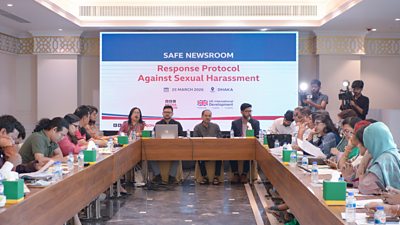
This new protocol was unveiled earlier this spring in the presence of media leaders, partners, members of editors’ councils and members of journalist associations, academics, legal and development practitioners and other stakeholders at an event in Dhaka.
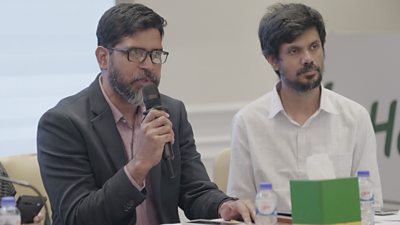
According to Md. Al Mamun, BBC Media Action’s Bangladesh Country Director, although women make up half of the country’s population, they represent fewer than 10% of journalists and media workers. This number is unlikely to increase unless a supportive environment is created within media organisations, he said. “To help foster such an environment, BBC Media Action has developed a sexual harassment response protocol. This protocol will help establish accountability within media organisations,” he said.
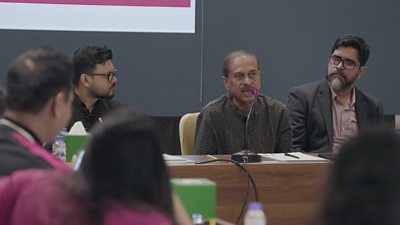
The president of the Newspaper Owners' Association of Bangladesh (NOAB) and editor-in-chief of the Daily Manab Zamin, Matiur Rahman Chowdhury: said, “Sexual harassment has become a social problem. The protocol must not remain confined to newspapers only; active discussions must be initiated in newsrooms to ensure accountability.”
Legal framework to newsroom reality
A landmark High Court ruling back in 2009 mandated preventive measures against harassment across workplaces and educational institutions; there have since been updates to labour laws, and provisions addressing online harassment.
But these legal frameworks have not been enough. Many media organisations still lack clear procedures for handling complaints, ensuring confidentiality or supporting survivors. This gap between legislation and implementation has left journalists, especially those in contract-based roles such as freelancers, without proper protection.
The Sexual Harassment Response Protocol for Newsrooms helps bridge this divide by translating legal obligations into practical, day-to-day guidance tailored specifically to newsroom environments.
Suliman Niloy, who prepared the protocol, said that organisations already have legal obligations under the High Court directive and existing labour laws. “This protocol does not create new obligations. It helps institutions carry out existing responsibilities in a structured way,” he said.
Need for a tailored approach
Journalism often involves unpredictable working conditions, leaving reporters at risk not only within their organisations, but also while covering assignments in the field or engaging online. These risks are amplified by power imbalances within editorial hierarchies and the rise in digital harassment, and for contract-based or freelance workers.
The protocol, developed in consultation with women and men, recognises these realities.
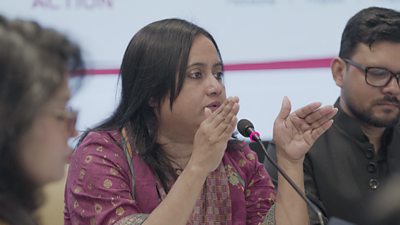
Angur Nahar Monty, coordinator of the Women Journalists Network Bangladesh (WJNB), said: “Due to social stigmatisation, incidents of sexual harassment often remain hidden. It is deeply concerning when colleagues do not feel safe. This policy serves as a foundational step towards creating a safe working environment; the goal is to ensure safety for everyone, both women and men.”
Ayesha Kabir, Daily Prothom Alo’s head of their English website, said: “Media organisations must be well informed about this protocol to prevent sexual harassment. They must build up the practice of following the protocol with transparency.”
Clarity, accountability and survivor-centred support
The protocol - which is designed to be flexible and voluntary - aims to help standardise how harassment cases are handled across the sector, bringing greater transparency, consistency and trust to institutional processes.
It outlines clear definitions of sexual harassment and establishes accessible reporting mechanisms and procedures, including options for confidential and anonymous complaints. And it adopts a survivor-centred approach, prioritising the dignity, safety, and well-being of those affected.
Some of the country’s leading media organisations, including The Daily Star and Dhaka Tribune, have already published editorials reflecting the importance of the protocol and urged media organisations to ensure safer work cultures.
The chief news editor of Channel I, Mir Masrur Zaman Rony, termed the protocol a milestone and said it must be integrated into HR policies, noting that victims often lose jobs while perpetrators remain unpunished.
Strengthening journalism by protecting journalists
The aim is to foster safer and more inclusive working environments. Journalists who feel respected and supported are better able to carry out their work by holding power to account, informing the public and contributing to democratic processes.
As Bangladesh’s media organisations begin to adopt and implement the protocol, the challenge will be to ensure it becomes everyday practice. However, there is now a clear path towards safer newsrooms and a more resilient media sector.
BBC Media Action developed and commissioned the protocol under the Protecting Independent Media for Healthy Information Environments (PIMHIE) and Respond Fund project.
The full results of a 21-country survey on sexual harassment in newsrooms, conducted by WAN-IFRA Women in News, BBC Media Action and City St. Georges, University of London, is launching in a webinar on 21 May. Register to join it here (leads to third-party site).
Latest news from Bangladesh
Our projects in Bangladesh
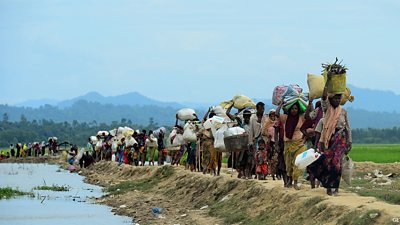
Responding to the Rohingya emergency in Bangladesh
We’re supporting local radio partners to produce a dedicated Lifeline radio programme for Rohingya people and host communities in living in Cox’s Bazar.
Protecting independent media for effective development
We are working with media support organisations and local partners to find out how best to support public interest media in Sierra Leone, Ethiopia and Bangladesh.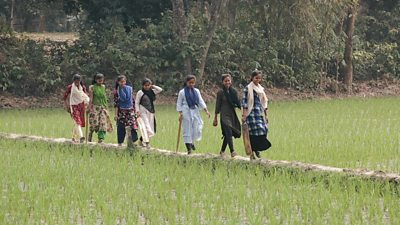
Hello I Am - challenging child marriage in Bangladesh
Watch our films with Rutgers showing how girls are breaking down barriers, in school and on the cricket pitch.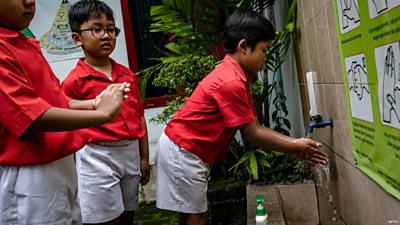
Communication to counter the COVID-19 ‘info-demic’
BBC Media Action launches new project in Asia to tackle the spread of mis- and dis-information around COVID-19 (coronavirus) which is as harmful as the disease itself.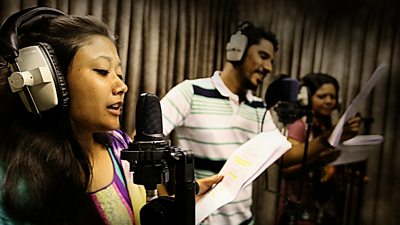
Generation Breakthrough: Using radio to encourage healthy relationships in Bangladesh
Engaging a young people with a range of social and health related topics through a weekly radio show radio Dosh Unisher Mor (Crossroads at 10 to 19).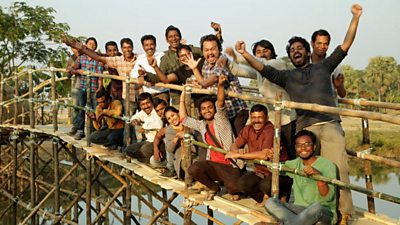
Preparing for and responding to disasters in Bangladesh
BBC Media Action and its partners are helping the public prepare better for future disasters as well as providing timely, accurate and useful information in times of crisis.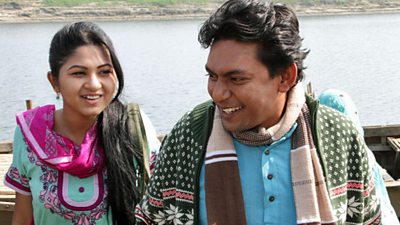
TV drama on maternal and newborn health in Bangladesh
Through a major TV drama series, a radio magazine show, public service announcements and communication skills training for community health workers.
Debate programme Sanglap
Sanglap (Dialogue), was a political discussion TV show enabling Bangladeshis from all walks of life to question their leaders on the issues that mattered to them.

Search by Tag:
- Tagged with BangladeshBangladesh
- Tagged with AsiaAsia
- Tagged with Media developmentMedia development
