BBC HomeExplore the BBC
This page has been archived and is no longer updated. Find out more about page archiving.

28 October 2014
Inside Out: Surprising Stories, Familiar Places

BBC Homepage
England
Inside Out
East
East Midlands
London
North East
North West
South
South East
South West
West
West Midlands
Yorks & Lincs
Go to BBC1 programmes page (image: BBC1 logo)

Contact Us

Inside Out - Yorkshire & Lincolnshire: Monday January 30, 2006
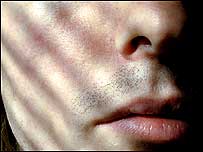
Read my lips

Lips
Lip reading formed an important part of the murder case

It's a well-known saying that there are two sides to every story, but when it comes to a crime, how do you know which is correct?

This week in an Inside Out special we look at a notorious murder mystery and how a series of events drew a local man into a tangled web which could have led to his ruin.

Without trace

It all began when a woman appeared to vanish without a trace.

Arlene Fraser was declared missing from her home in Elgin, Scotland, in 1998, after her children came home from school to find their mother gone.

Her husband, Nat Fraser, appealed for information on her whereabouts, but to no avail.

It later transpired that their marriage had been on the rocks, after an altercation which involved a physical assault leading Arlene to ask for a divorce.

As the investigation progressed, suspicions arose as to whether she had gone missing or whether something more sinister had happened.

Soon police began to suspect that she may have been murdered, and identified Nat as the prime suspect.

So why was Glenn Lucas, his best friend who lived 500 miles away, arrested by police on suspicion of committing conspiracy to murder?

Taped evidence

Two years after Arlene's disappearance and unbeknownst to Glenn, a conversation between him and Nat during a visit to a prison in Inverness where Nat was then serving time for defrauding legal aid, had been videotaped and handed over to the police.

There was no sound on the tape, so police called in an unusual aide - Jessica Rees, a professional lip-reader who had been deaf since childhood and who was considered the foremost person in analysing videotapes for criminal cases by lip-reading, with a 10 year track record.

Having watched the tape she told Grampian Police she believed the conversation was about dismembering Arlene Fraser's body.

It was on the basis of her testimony, alongside questions arising about the credibility of an alibi, that Glenn was arrested and brought to trial, resulting in great upheaval in his life.

His wife Maya was from Russia and had to leave the country when her husband was arrested.

Their relationship hang in the balance as, thousands of miles apart, they waited for the outcome of the trial which would determine if they would ever be reunited.

But when the case came to court the tape was never submitted as evidence, and halfway through the trial in January 2003, all charges against Glenn Lucas were dropped and Nat Fraser was convicted of killing Arlene.

Grampian Police are unable to comment as Nat Fraser is appealing against the conviction, but Glenn is trying to move on with his life.

After marrying Maya in Russia, he's finally got his wife back to their home in Lincolnshire, where they have a young son, Andrew.

Questions

But Glenn Lucas's life will never be the same, and there are many questions he still wants answered.

He's written a book about his experience and is suing Grampian Police over how a report from a lip-reader could lead to him being arrested and charged with a crime he didn't commit.

Glenn Lucas has always denied talking about disposing of Arlene's body but, to this day, Jessica Rees still stands by her results.

Links relating to this story:

The BBC is not responsible for the content of external websites

Inside Out Archive

Inside Out: Yorkshire & Lincolnshire
View our story archive to see articles from previous series.

BBC Where I Live

Find local news, entertainment, debate and more ...

Bradford
Humber
Leeds
Lincolnshire
North Yorkshire
South Yorkshire

Meet your
Inside Out
presenter
Jamie Coulson

Jamie Coulson
your local Inside Out presenter.

Contact us
Contact the Yorkshire & Lincolnshire team with the issues that affect you.

Free email updates

Keep in touch and receive your free and informative Inside Out updates.
Subscribe
Unsubscribe

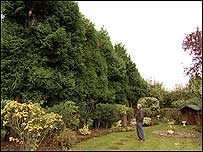
Hedge wars

Man standing by giant hedge
Hedge wars - time to call a halt on neighbour disputes

A garden hedge can look harmless enough - but hedge rage has driven some people to kill.

Disputes over them are more common than you'd think.

So how does a hedge spark up so much hatred? Inside Out investigates.

Hedge wars

There's one big issue that's getting people steamed up in Lincolnshire - hedges or leylandii to be precise.

Farmer Bob Taylor has made a New Year's resolution - he wants to get rid of leylandii.

They may look ordinary enough, but it's amazing what can happen when people fall out over hedges.

Sadly Lincolnshire has been home to some of the worst cases of hedge rage in the UK.

The shooting of George Wilson and the subsequent suicide of his killer Robert Dickenson is one of the worst examples of a hedge feud in the Britain.

However, these two men aren't the only casualties in Lincolnshire's hedge wars.

In a quiet street in a quiet town, an elderly man became another hedge rage victim.

Douglas Reed collapsed with a heart complaint outside his house. Onlookers had seen trouble break out.

An inquest recorded a verdict of accidental death. So what on earth is going on?

Battle lines

Michael Jones knows all about it. For nearly 20 years, a battle line was drawn up at the bottom of his garden.

This hedge became the most famous in the country.

Over the years, he fought his neighbour every way he could, from TV programmes to lobbying MPs.

His high hedge battle never became violent - but he knows how things could get out of control.

It's now becoming a familiar story in many villages.

In Caythorpe, a villager was charged with trying to kill his neighbour's tree.

There'd been a long dispute over a super-sized conifer.

And David Jollons didn't like his neighbour's tree.

He was taken to court, and spent a day behind bars.

Hedge laws

HEDGE LAWS

Since 1 June 2005, people are able to take their complaint about a neighbour's evergreen hedge to their local council.

Complainant must try to resolve matters privately first.

The role of the local authority is to adjudicate on whether the hedge is adversely affecting the complainant's reasonable enjoyment of their property.

The local authority must take account of all relevant factors and must strike a balance between the competing interests of the complainant, the hedge owner, and the interests of the wider community.

A council can order the hedge to be cut to two metres. Failure to comply could mean a fine of £1,000.

The local authority cannot require the hedge to be removed.

So what's the answer?

If you're battling high hedges, a new law may be able to help.

Michael Hill is one of the first people trying to use the High Hedges Act against his neighbour.

Mike and his wife hope this law will end a hedge dispute which started way back in the 1980s.

So could this be the end of his high hedge saga?

Let's hope there's no more tragedies in Lincolnshire - or anywhere else.

And just remember - it's only a hedge.

Links relating to this story:

The BBC is not responsible for the content of external websites

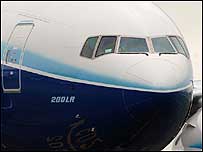
Fear of flying

Plane c/o Press Association
High flyers but how many fear travelling by plane?

For some people, the idea of flying is so terrifying that they can't face going near a plane.

Inside Out follows two people with a fear of flying as they try to conquer their fear.

Justine Keenan, from Leeds, was a contestant on Big Brother two years ago.
She's got a fear of confined spaces, so she can't stand planes.

It's a problem she's determined to stamp out for the sake of her husband Jason.

"It's ridiculous," she says. "I just want to be able to get on a plane like other people do."

Nigel Phillips is a University administrator from Huddersfield.

He's got a fear of heights - so much so, that he doesn't like being in high buildings.

He says, "I just want to go on holiday with my family without worrying about whether to go by ferry".

Flying without fear

They've both enrolled on a Flying Without Fear course run by Leeds businessman Richard Conway, in association with Virgin Atlantic.

Richard says, "I used to be a nervous flier, so I understand exactly how people feel".

During a one-day course at Manchester Airport, Justine and Nigel hear from Virgin Atlantic pilots why try to deal with fears about safety.

Captain Dom Riley, a Virgin Atlantic pilot, said most nervous fliers feared take-off and landing, as well as turbulence during a flight.

He said he expected 98 per cent of people on the course to conquer their fear of flying.

At the end of the day, everyone gets the chance to take a one-hour flight.

It's decision time for Justine and Andrew - will they feel able to get on board?

Links relating to this story:

The BBC is not responsible for the content of external websites


About the BBC | Help | Terms of Use | Privacy & Cookies Policy