Specialist factual commissioning: Natural history
Our latest commissioning brief and contacts for natural history
Our team
BBC natural history has an extraordinary legacy. We’re now in a period of significant creative evolution and are defining what comes next.
UK wildlife is a huge draw for audiences. Wild London is the most-watched documentary in the UK of 2026, approaching 9 million viewers to date. Secret Garden and Hamza’s Hidden Wild Isles both achieved audiences of more than 5 million, and we’re expanding The Watches brand with a visualised podcast, Naturewatch.
International wildlife continues to thrive too. Kingdom brought massive audiences, and Hamza: Birds of Prey - African Birds of Prey delivered extraordinary new stories from Kenya.
We have an ambitious slate being crafted for the next few years. But in a challenging marketplace, we must keep evolving the genre in three main areas: big blue-chip series, feature documentaries and returning brands.
1. Blue-chip series

How do we evolve the blue-chip genre? They are big BBC One Sunday evening offerings with big filming schedules, big budgets and big ambitions. They also perform fantastically on iPlayer: stunning imagery, extraordinary stories and internationally renowned talent help them stand out, while the evergreen nature means audiences continue discovering them long after their linear run.
Our mantra for blue-chip is originality:
New subjects
We want stories about the natural world that audiences are unfamiliar with. The Green Planet explored the extraordinary world of plants and fungi and won a Grierson award. Asia brought audiences incredible new stories from across the continent, with 8 million viewers watching the first episode across 28 days, and Hidden Planet reveals a secret world of insects. So, what are the big subjects and stories we’ve never covered before? And what haven't we revisited for a generation? Take us somewhere new.

New storytelling
Story is King, and while new technology and animal behaviour are vital, they need to be part of fantastic storytelling devices rather than an end in themselves.
We also want to move beyond ‘closed’ episodes. Ensuring we can entice viewers to watch to the end of the series is increasingly important, particularly on iPlayer. So how can natural history have cliffhangers? How do characters and stories develop across a run? Can we borrow formats and tropes from drama, entertainment, comedy and other documentary genres and apply them to the animal world?
We’d love to build natural history that feels genuinely bingeable, programmes that give audiences a reason to press ‘Next Episode’.
New presenters
We’re now integrating presenters into some of our blue-chip series. Who has the expertise and authority but also the warmth, personality and storytelling ability to take an audience with them?
New technology
We continue to push filmmaking technology forward. New filming technologies used in Blue Planet III have enabled us to witness ocean behaviour in ways that have never been seen before. So where else could new tech give us genuinely unique access? What could it reveal in a completely new way? However, it should always unlock the story rather than become the story.
2. Single films

Narratively driven single films are a really important part of our strategy. We want big, cinematic films with broad appeal that can win awards, stand out on iPlayer and bring the natural world to people who might not normally come to the genre. But how can we bring new audiences to these?
Wild London is a great example: an A-list name, an immediately accessible subject and a smart creative approach. The result has delivered enormous audiences and awards recognition.
They can be feature-length or 60 minutes. So, think about the proposition from the start: what’s the title and what’s the thumbnail that will make someone stop scrolling?
They are often co-productions, so think about potential partners and financing models from the outset. Smart deals can be crucial to achieving the scale and ambition we all want on screen.
Our single films fall into three broad categories:
Human–animal relationships
We’re interested in powerful relationships between people and animals. That could mean scientists and researchers who know particular animals intimately, or people whose lives are closely connected to animals through a shared habitat.
The beautiful The Ape Queen: A Jane Goodall Story offers remarkable new archive and some of Janes’ final interviews, and tells the story of the female chimpanzees of Gombe through a power battle between two rival families that has raged for decades.
The hugely emotional Toto: My Baby Elephant, filmed across four years, follows baby elephant Toto and his keeper Joseph - both orphans. At its heart is an emotional relationship, but it also gives us a deep dive into elephant behaviour that feels fresh and distinctive.
Archive
The wealth of natural history archive can tell us not just about individual animals and species, but also about our changing world.
Mixing extraordinary archive with revealing interviews can also bring new audiences into the genre. Making Life on Earth uses archive to look again at one of natural history’s landmark shows and what has changed since. We’re interested in other ideas where archive is more than illustrative but becomes a powerful storytelling tool in its own right.
Clever tone
We want our single films to have a variety of tones and styles to attract the broadest audience. For example, we’re working with Richard Curtis on Love Naturally, a playful Christmas offering. The headline is natural history can be emotional, funny, thrilling, surprising and joyful. Variety on our slate is key.
3. Returning brands

We’re looking for series that go beyond the traditional with a clear story engine, strong storytelling, with the potential to introduce new talent and push the boundaries of natural history filmmaking.
Big Cats 24/7 series one and two were iPlayer hits. The combination of cutting-edge technology and round-the-clock tracking means we can follow the cats and their behaviour in a way we haven't been able to before. We want more ideas with that sense of being there as the story unfolds. More of the natural world’s raw, immediate and unpredictable side.
In this genre we're keen to find the next generation of natural history voices, as well as develop our existing roster of hugely talented presenters. We want people with genuine expertise, authority and curiosity — but also people audiences simply want to spend time with.
The development checklist

Before bringing us an idea, ask yourself:
- What is the story? Why now? Why the BBC?
- What's the poster? What's the strapline?
- Who is this show for?
- What haven't we seen before?
- How does it live on iPlayer and across our other platforms?
- What makes somebody press play - and then keep watching to the end of the series?
- And, particularly on our most ambitious projects, who are the right co-production partners and what clever financing could help us put even more ambition on screen?
Unscripted on iPlayer
Read about how we commission unscripted content in an iPlayer first-world, along with advice and further resources to maximise the impact of your programme on the platform.

Commissioning for iPlayer: find out more
Strategy and advice for maximising impact on the platform

Natural history commissioners

Jack Bootle
Head of Commissioning, Specialist Factual
Tom Watt-Smith
Lead Commissioning Editor, Natural History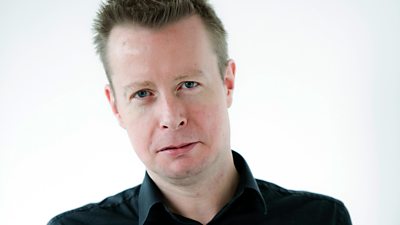
David Harron
Commissioning Editor, Scotland
Sian Harris
Commissioning Editor, Wales


How to send us your ideas
Go to PiCoS
Our ideas submission system for established companiesAccessing PiCoS
Eligibility criteria, how to guides and contactsHow we commission
Our processes, commitments and prioritiesNot an indie?
Grow your skills and career in television
Further advice and support
Named business leads
Business advice per genre for companies with ideas in playIndies outside London
Advice and commissioning leads for each nation and regionSmall or new indies
Our tailored support packages and adviceDiverse-led indies
Our investment, commitments and contacts
Production resources
Diversity on and off-screen
Requirements, funds and contactsSustainable productions
Requirements, resources and contactsProduction and delivery website
End to end programme delivery and contacts
Explore the site
Briefs and contacts
Commissioners and ideasSupporting indies
How we commission and workSkills and training
Industry training and skills development
Search by Tag:
- Tagged with FactualFactual
