


In order to see this content you need to have both Javascript enabled and Flash installed.
Visit BBC Webwise for full instructions
Video

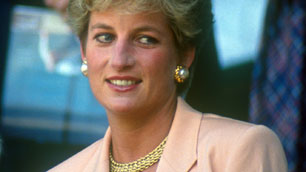
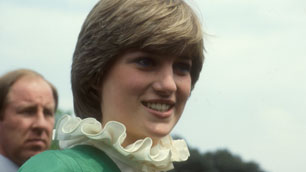
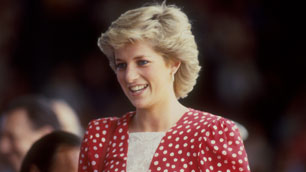
Peter York on Princess Diana
York on using Princess Diana as the covergirl for his 'Sloane Ranger' book

Peter York on anti fashion
York people reverted back to the Sloane fashion against popular culture of the day
Princess Diana and the Sloanes
The ‘Sloane Ranger’ term was popularised by British writer Peter York and co-writer Ann Barr. Together they wrote 1982's The Official Sloane Ranger Handbook, in which they identified the cult phenomena of young upper-class and upper middle-class people living in south west London. The traditionalist views and behaviours of Sloanes included a predilection for the countryside and their wardrobe reflected this.
Britain in the early 1980s was a perfect breeding ground for the Sloane style, with the connotations of money and conservative attitude it entailed. Resolutely conformist, their look comprised a loyalty to what their parents and grandparents had worn. It was the perfect look for well-bred boys and girls from the country who wanted to show they were above fashion and a little bit posh.
When the world started to learn about Lady Diana Spencer in 1981, it was the trigger that took the Sloane style into the mainstream. Diana wore traditional country clothes familiar to the upper classes, but made them visible nationally, becoming the archetypal Sloane Ranger.
BBC iD
BBC iDBBC navigation
BBC links

BBC © 2014The BBC is not responsible for the content of external sites. Read more.
This page is best viewed in an up-to-date web browser with style sheets (CSS) enabled. While you will be able to view the content of this page in your current browser, you will not be able to get the full visual experience. Please consider upgrading your browser software or enabling style sheets (CSS) if you are able to do so.
