 Home
Home
This week it's been reported that the police will reopen unsolved murder enquiries using the latest DNA technology.
 Currently, it's estimated that the UK's national DNA database contains around five million samples - making it the biggest DNA database in the world. The law in England and Wales was changed in 2001 to allow police to keep all DNA samples they take, even if the suspect is later cleared of all charges. In Scotland it's only the guilty whose samples are kept.
But should the whole population and every UK visitor be added to a compulsory national DNA database, as a senior judge has recommended?
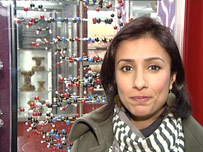
For The One Show, Anita Rani (pictured, right, during filming at the Science Museum in London) has been investigating the arguments for and against a national DNA database.
Anita spoke to a cold case forensic scientist for whom DNA evidence has proved vital in the past and the father of murdered teenager Sally Anne Bowman, whose killer was found using DNA evidence.
Providing an opposing voice was Shami Chakrabarti, director of human rights organisation Liberty. She has said that a DNA database for every man, woman and child in the country was "a chilling proposal, ripe for indignity, error and abuse".
Should we all be on a DNA database? Have your say in the comment box, below.


Comments