Health, disease and the development of medicines
Communicable disease - Edexcel
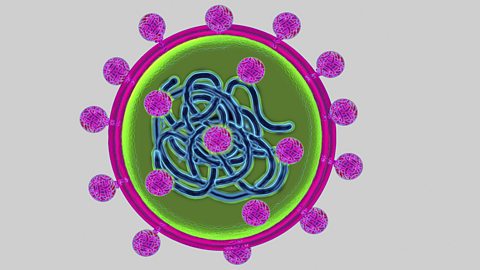
Disease-causing viruses, bacteria, fungi or protists are called pathogens. Sterilising water, preparing food hygienically, washing, vaccination and barrier contraception can reduce the spread of pathogens.
QUIZ: Communicable diseases activity 1
This interactive quiz is suitable for GCSE Biology (single science) students studying communicable diseases, including the viruses, bacteria and protists that can cause them.
Plant disease - Edexcel
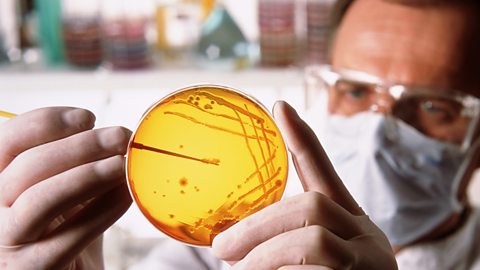
Pathogens are disease-causing viruses, bacteria, fungi or protists. Some pathogens infect plants and others infect animals. Plants have physical and chemical defences against pathogens.

Treating, curing and preventing disease - Edexcel
The immune system defends humans from pathogens. Physical and chemical barriers prevent infection. White blood cells attack pathogens. Immunisations usually involve injecting inactive pathogens.
QUIZ: Communicable diseases: prevention
This interactive quiz is suitable for GCSE Biology (single science) students studying communicable diseases and how the body and medicine work to prevent them.
Making medicines - Edexcel
The development of drugs is a long, complicated and expensive process. Monoclonal antibodies are identical copies of an antibody. They are used in pregnancy tests and in cancer treatment.

QUIZ: Vaccinations and antibiotics
This interactive quiz is suitable for GCSE Biology (single science) students studying treating and preventing diseases - through the provision of vaccinations and antibiotics.
QUIZ: Bacterial growth and drug discovery
This interactive quiz is suitable for GCSE Biology (single science) students studying bacterial growth and how medicines have been developed to fight illness.
Non-communicable diseases - Edexcel
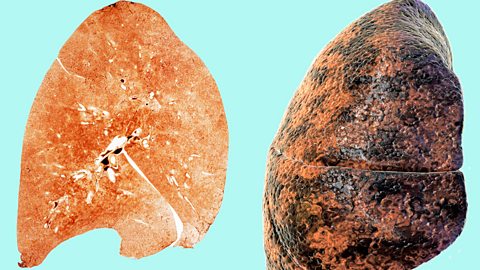
Non-communicable diseases are not transferred between people, eg cancer, diabetes, genetic and neurological disorders and heart disease. Risk factors increase the chances of developing these diseases.
QUIZ: Non-communicable diseases activity 1
This interactive quiz is suitable for GCSE Biology (single science) students studying non-communicable diseases such as Type 2 diabetes and tumours.
QUIZ: Non-communicable diseases: data analysis
This interactive quiz is suitable for GCSE Biology (single science) students studying non-communicable diseases and the role data analysis plays in reporting statistics.
Sample exam questions - health, disease and medicine development
Understanding how to approach exam questions helps to boost exam performance. Question types will include multiple choice, structured, mathematical and practical questions.

Links
- External linkExternal link
- SubscriptionSubscription
- External linkExternal link
- External linkExternal link
- SubscriptionSubscription
- External linkExternal link
- External linkExternal link
- SubscriptionSubscription
