A vote on an amendment to the Children's Wellbeing and Schools Bill due to take place in the coming weeks, if passed, would see the governments existing guidance on mobile phone use in schools become a legal requirement in England. But what does this mean for pupils, parents and carers?
Bitesize Parenting breaks down the rules around mobile phone use in schools to offer some clarity on the situation.
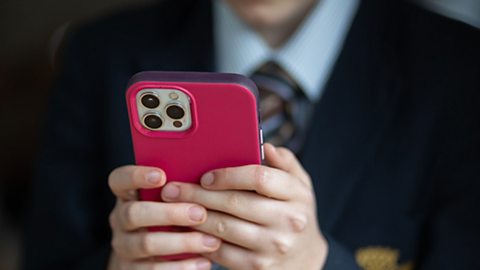
What does the amendment to the Children's Wellbeing and Schools Bill mean?
The amendment to the governments landmark Children's Wellbeing and Schools Bill would create a clear legal requirement for schools around the use of mobile phones in schools in England. This essentially means that what is already being done by schools to ban phones in practice would be made a legal requirement, a spokesperson for the DfE said the amendment "builds on the steps we've already taken to strengthen enforcement".
The government has indicated that it would give schools time to implement the bill, if passed, and it is likely that the changes would come into place by the start of the 2026-27 school year.
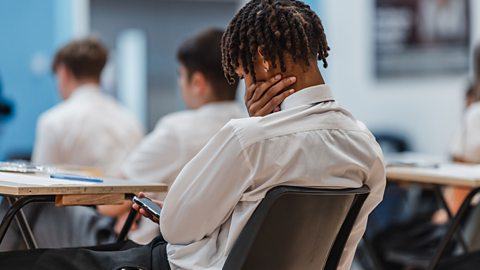
What is the current guidance for mobile phones in schools in England?
Current guidance from the Department for Education (DfE) around the use of mobile phones in English schools was introduced in 2024 and updated in early 2026. It says that pupils should not use mobile phones or other smart technology with similar functionality to mobile phones, throughout the school day, including during lessons, the time between lessons, break times and lunchtime.
All schools in England should have a policy in place to make the school a mobile phone-free environment by default. However, it is currently down to headteachers to decide how best to achieve this within their own schools, this may include storing phones in lockers or handing them in to teachers at the start of the day.
The DfE says that schools can currently use a range of sanctions for breaching the mobile phone policy appropriate to their context, including confiscation and detentions, and that headteachers or authorised staff have the power to search pupils or their possessions for prohibited items such as mobile phones.
What are the responsibilities of parents?
DfE guidance says that parents have an important role to play in enforcing the rules. The school should clearly explain their mobile phone policy to pupils and parents. This should make it clear to parents what to expect, and give information on how they can contact their child within school hours, should the need arise.
Parents should be encouraged to reinforce the guidance when at home and discuss the benefits of a mobile-phone-free classroom, as well as the risks associated with using mobile phones. Should parents have any concerns or questions about the policy, the school should respond to these in a timely manner.
Bitesize Parenting has tips on how to enjoy a screen-free week that you can read here.
Are there any exceptions to the guidance?
Schools have responsibilities to put in place reasonable adjustments to the guidance to facilitate the needs of certain pupils, such as those with disabilities, medical needs or caring responsibilities. However government guidance doesn't give a list of all the exceptions, instead saying that schools should assess each case on its own merits.
Schools can also decide whether or not, and how, they want to implement the guidance to sixth-form pupils. The guidance says that pupils in boarding and residential schools should not use phones during the school day, but that schools should put policies in place regarding the use of mobile phones for pupils during the rest of the time.
What are the rules for mobile phones in schools in the rest of the UK?
Education is devolved in the UK, so the approach to phones in schools varies for each country.
- In Scotland, government guidance has allowed headteachers to implement phone bans in schools since 2024.
- There is no national ban in Wales, but headteachers can ban or restrict the use of phones in their own schools.
- A phone-free pilot scheme in nine Northern Irish schools has just ended, and a report on how the pilot went will be published in June.
This article was published on 21 April 2026.

More from BBC Bitesize Parents' Toolkit…
Bitesize Parenting
Fun activities, real-life stories, wellbeing support and loads of helpful advice - we're here for you and your child.
Social media bans for teens – everything parents need to know
Under-16s will be banned from some social media sites after government intervention. Here's a guide to help understand why and what sites are off limits.

Five things to consider when buying your child their first mobile phone
Whether they're starting secondary school, or at primary school - at some point parents will almost inevitably have to consider buying their child a mobile phone. Here are some tips and expert advice on what to consider.