We humans have always looked for ways to connect with each other. In many ways, technology has made it easier than ever – yet some people also report feeling lonelier and more isolated as a result of spending lots of time online.
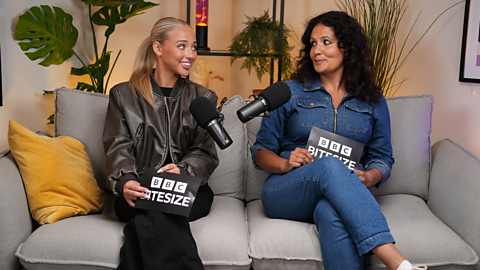
With many people opting to do more activities offline, we asked Jamie Masraff, CEO of OnSide Youth Zones why he thought clubs were so popular and the benefits they can provide.
"It’s a challenging time to be a young person. You're facing growing pressures from school, social media and everyday life, while having fewer chances to spend time together in person - and that’s leaving more young people feeling lonely and isolated. That’s why youth centres matter so much. While we know that young people’s social lives are dominated by screens and being online, they tell us they want more than this to live happy lives – they also want safe, in-person spaces to connect, build real friendships and share experiences in real life that are better for their wellbeing then life on screen."

Feeling connected
According to Jamie, one of the top reasons for why going to youth centres had been positive for so many, was down to youth workers. They create safe, welcoming spaces where you can be yourself, they build confidence and having someone to talk to can have a huge impact on your wellbeing. They’re someone who listens without judgement, understands what you’re going through and is there to guide and support you.
But what do the people who go to these clubs think?
Building confidence
“When I was in primary school, I didn’t like sport at all. I really lacked confidence and was scared of people judging me, especially because I wasn’t very athletic. At the Youth Zone, sport became a safe space where I could try new things without being shouted at or judged. The youth workers were patient and took the time to teach me, and that made a huge difference. I didn’t have to be good to fit in, and that gave me the confidence to get better, support others, and realise how much I enjoyed taking part in things like rugby and even badminton.
Sport's a great outlet and has helped me massively to release my emotions in a healthy way, as well as having a big impact on my mental health and confidence. Now I'm doing level 3 sports in college and want to help other young people realise sport is for them, too.” - Jojo, 17 Blackburn & Darwen Youth Zone.
“Taking part in sport and music at my Youth Zone has really helped me grow in confidence and understand myself better. I’m always pushing myself to try new things and meet new people, and sport gives me a way to do that while also channelling my energy and keeping me motivated. The staff support you to get past that initial barrier of not knowing what to expect, and that makes such a difference. Sport and music have both given me an outlet, and taught me that you can keep going, get feedback, improve and come back better. It's a message that carries through beyond, and into my everyday life, too!" - Kayden, 15, Hideout Youth Zone in Gorton, Manchester.
Discovering hidden talents
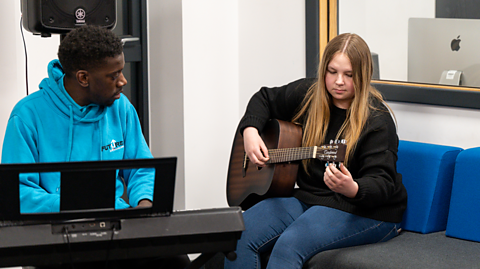
“Karaoke at my club has been such a big boost to my wellbeing. I only did it at first because my friend dared me, but once people told me I could actually sing, it gave me so much confidence. Singing is my pick me up. If I’ve had a really stressful day, I’ll go and sing and it instantly brightens my mood. During exams, I go to the music room at lunch or break to be creative and it really helps calm me down after a tough exam. I never knew I had such a passion for music until karaoke, and now it’s something I rely on to help me feel better and believe in myself. When I got that first compliment on my singing, it kind of spread through everything. Now I think: if I can sing in this place, I can do a GCSE!” - Teagan, 15, Carlisle Youth Zone.
“Sport at my club has had a huge impact on my life. When I first started going when I was eight, I was too scared to play football because I worried about getting hurt or embarrassed. But the Youth Zone is such a safe, inclusive space that everyone plays together no matter their ability, and that really built my confidence. Playing football helps me leave everything else on the sidelines and just focus on what’s happening on the pitch, which is amazing for my wellbeing. Through sport I’ve made most of my friends, become more confident, and learnt to be less critical of myself.” - Charlotte, 17, The Hive Youth Zone, Birkenhead.
Making time for you
Clubs also help support wellbeing because they are fun! They give you something really important - a place to relax and be yourself, try new things, meet new people, spend time with friends and take a break from the pressures you may be carrying - even if it’s just for a little while…

If you need support
You should always tell someone about the things you’re worried about. You can tell a friend, parent, guardian, teacher, or another trusted adult. If you're struggling with your mental health, going to your GP can be a good place to start to find help. Your GP can let you know what support is available to you, suggest different types of treatment and offer regular check-ups to see how you’re doing.
If you’re in need of in-the-moment support you can contact Childline, where you can speak to a counsellor. Their lines are open 24 hours a day, 7 days a week.
There are more links to helpful organisations on the BBC Bitesize Action Line page for young people.