As your teenager becomes more independent, you might feel they value their friends more than you. This can be emotionally difficult as a parent and could cause tension at home.
It's a normal part of teenage life, but understanding why friends are so important to adolescents and why teenage friendships seem to come with so much drama can help parents to be supportive as their teenager is learning to nurture friendships or to cope with conflict.
Why do teenage friendships seem so complex?

As a parent the way teenagers start to prioritise their friendship over their family relationships can be difficult to accept, especially as teenage friendships can appear to be fickle and alliances change very quickly and this can be quite hard to follow.
Throughout their teenage years they are engaging in social development and experimenting with different friendship groups as they develop their sense of self. And circumstances may dictate whether they are able to keep friendships. If it seems a minefield to you as a parent - imagine how it is for them!
“Friendships bring a lot of joy to young people, when they go well. The teenage years are a time to learn what you like and what you don’t, and it’s fun to explore new things you haven’t done before with people you enjoy spending time with,” says Dr Jack Andrews, who is a Senior Research Fellow in the Department of Experimental Psychology at the University of Oxford.
Why is there so much drama and intensity in teenage friendships?

Most young children start to learn the skills needed to make and keep friends when they start primary school. Listening, taking turns and perspective-taking start to develop at age 4 or 5 but these skills need to step up a gear when a young person moves to secondary school.
“Once you start secondary school the potential for more friendships or more disagreements increases just because the number of individuals you're surrounded by increases,” says Dr Andrews. “There are so many opportunities for young people to find like-minded friends but also they’ll encounter more difficult situations and come up against people that they don't like.”
“Emotional regulation is still developing – both their ability to regulate their own emotions, and their ability to navigate and regulate their friends’ emotions.”
“Teenagers can often get into co-rumination – where they might ruminate on negative emotions with friends, which can end in negative experiences for the whole group.”
Dr Andrews explained that sharing emotions and disclosing personal information builds trust, which is positive, but that teenagers are all learning to deal with difficulties they may not have encountered before, for example, romantic relationships and various inequalities that may not have been as obvious in primary school. "The emotions and the issues are bigger and everyone is still learning how to cope."
Why do teenagers engage in risky behaviour?

“Studies show that teenagers are also more likely to take risks when they’re with peers, and we can actually see the reward centres of the brain become more active when teens are experimenting with risky behaviours in front of their friends, compared to when they’re on their own.”
He goes on to explain that for teenagers, being part of a peer group is of paramount importance. When parents see their child starting to engage in new behaviours because their friends are doing the same, this often isn’t an irrational, risky decision but a calculated choice to fit in.
“If a teenager is gaining social status by, for example, drinking alcohol or vaping, that can sometimes be a very rational decision for them. If that’s the peer norm and they don’t take that risk, they might fear getting rejected or excluded from their peer group.”
“For the adolescent, that risk for them is the most immediate and potentially arguably the most detrimental to them rather than the long-term risk of drinking some alcohol. Studies have shown that when teenagers are excluded from a group they report low mood more than adults do, and the regions of the brain associated with physical pain become more active too – suggesting it might actually be painful for teenagers to be excluded by their peers.”
My teen seems to have rejected my values. What can I do?

It’s frustrating to see your child placing more value on what their friends believe and rejecting behaviours you’ve tried to instil during their childhood, but laying down the law is unlikely to tip the balance away from the influence of the peer group.
“Most of the evidence suggests that teenagers won’t respond well to being told they are wrong,” says Dr Andrews. “Small, calm nudges towards information that might subtly change their mind are more likely to have an effect than banning an activity or reacting strongly to a viewpoint they’ve expressed. Send the odd reel, have the TV news on or calmly discuss both sides of an argument. If they’re exposed to all the information they can come to their own conclusion.”
Coping with teenage hormones and helping teens handle their friendships
Dr Andrews goes on to point out that what really affects change is social norms. For instance that teenagers used to experiment a lot with smoking but this is less common now in this age group who also drink less alcohol than previous generations. "On the other hand, vaping has become more popular with teens, and if that’s the social norm in their group it’s very difficult to expect them to give weight to the long-term consequences, when their immediate concern is that they won’t fit in with their friends if they don’t try it now.”
Dr Andrews points out that the teenage brain isn’t fully developed, so it’s not simply that they’re taking an opposing view to their parent just to be militant (although there could be a bit of that!)
“Perspective taking is still developing in the teenage years – they’re still learning how to appreciate someone else’s point of view, so try to be calm and explain where you’re coming from, using evidence if you can.”
Should I be worried if my child doesn’t have lots of friends?

There’s always a social hierarchy in a school, and teenagers take much of their self-worth from where they perceive themselves to be in that structure.
“Being popular isn’t the same as being liked,” explains Dr Andrews. “Often those who peers report as being well-liked aren’t the same individuals who are named as the popular ones. Teens that are very well-liked usually seem to have better mental health and well-being outcomes compared to the individuals who are perceived to be popular.”
“That could be for many reasons: maintaining a social standing could actually be quite stressful for the popular one. Or they might not have the same level of reciprocated social support as those who have fewer, closer friends.” Perhaps it’s social media that encourages the idea that more friends or followers is a good thing but science doesn’t support this perception.
There’s good data to show that even having one good friend is protective of your well-being and is beneficial.”
Dr Andrews points out that the idea that you need to have a huge number of friends to feel happy is a bit of a myth. He points out that it puts a lot of pressure on young people, particularly those who might have one or two good friends and think that they're then not well-liked.
“We’re all on a spectrum of how much interaction we need and some teens may prefer not seek out lots of friendships, or might prefer the relative safety of keeping most of their friendships online.”
If your child wants to find friends and is struggling to make them at school, introducing clubs outside of school might be helpful, where young people can bond over a shared activity. But don’t force it, advises Dr Andrews.
“If your child has social anxiety, it can be very stressful to be forced into a new situation, particularly if they’re neurodiverse. Competitive sports clubs, for example, can be overwhelming for many, so find something that’s done for fun that they know they can take time out from if it gets too much.”
I think my child’s friendship is toxic – what can I do?

If your child has made a friendship that you think is hurting them, it can be very hard to intervene. Because of the need for teenagers to fit in with their peers, if you express a dislike for a group or an individual, they’re likely to react against you.
“Try to have more general conversations,” says Dr Andrews. “Calmly ask your child what the purpose of a friend is and really listen to their responses. Discussing what’s acceptable in a friendship can make them evaluate the relationship themselves, or you might realise that this is a disagreement, rather than something damaging.”
The Children’s Society published a Friendship Guide for Adults in which teenagers reported that they wanted their parents to listen to their friendship issues, not to belittle them or try to fix them. They found it particularly unhelpful if parents advised them to block someone or just to ignore them.
“Teenagers are really thrown together at school so they need to work through difficulties and manage spending time with peers. Giving a space to talk about it, without judging or offering advice might be what they need.” Of course, if you find out that there is dangerous behaviour, you need to seek advice. See our article on tackling bullying here.
Don’t think your teenager doesn’t value you too
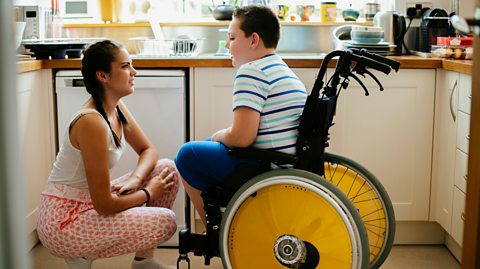
“When I speak to parents they often think that their teenagers generally don’t want to listen to them and that they’re no longer important in their lives,” says Dr Andrews.
“But when we ask teenagers, while friends do usually come out as the most important people right now, parents come a close second. Teenagers want to have good relationships with their parents, and while it may not look like it, they often do listen to what you say and value your opinions.”
In summary:
Teenagers can feel pain when excluded from friendship groups - so they will take risks to fit in
Teenage brains are still developing - don't just lay down the law - nudge them to make better choices and take your time before commenting or arguing
They're developing friendships and making mistakes as they do so - understand that they're navigating new territory every day
If they're struggling to make friends, don't force it, this can cause more anxiety
Help them to understand what good friendship looks like, but ensure you're listening to their concerns and not being judgemental
This article was published in August 2026

Bitesize Parenting
Fun activities, real-life stories, wellbeing support and loads of helpful advice - we're here for you and your child.

Coping with teenage hormones and helping teens handle their friendships. video
Actor and comedian Bridget Christie talks to Kerry Godliman about empty nests, when menopause meets teen hormones, and whether loneliness is normal for teens.
How to talk to angry teenagers - including about phone use and sleep habits video
Comedian Rob Rouse joins Kerry Godliman and Dr Martha Deiros Collado to discuss how to talk to angry teens, teen sleep habits and phone use boundaries.
How to help your teenager find work
Writer, educationalist and former headteacher Peter Hyman has advice to help parents help their teenager find their way into working life.

How to help your teen stop doomscrolling
We can lose all sense of time scrolling through videos or articles on our devices. But what are the issues for teens who scroll endlessly?

Teenage hopes and worries and how parents can help
Psychologist Dr Charlotte Armitage gives parents tips on helping their teens through some of the things that are on their mind in 2025.